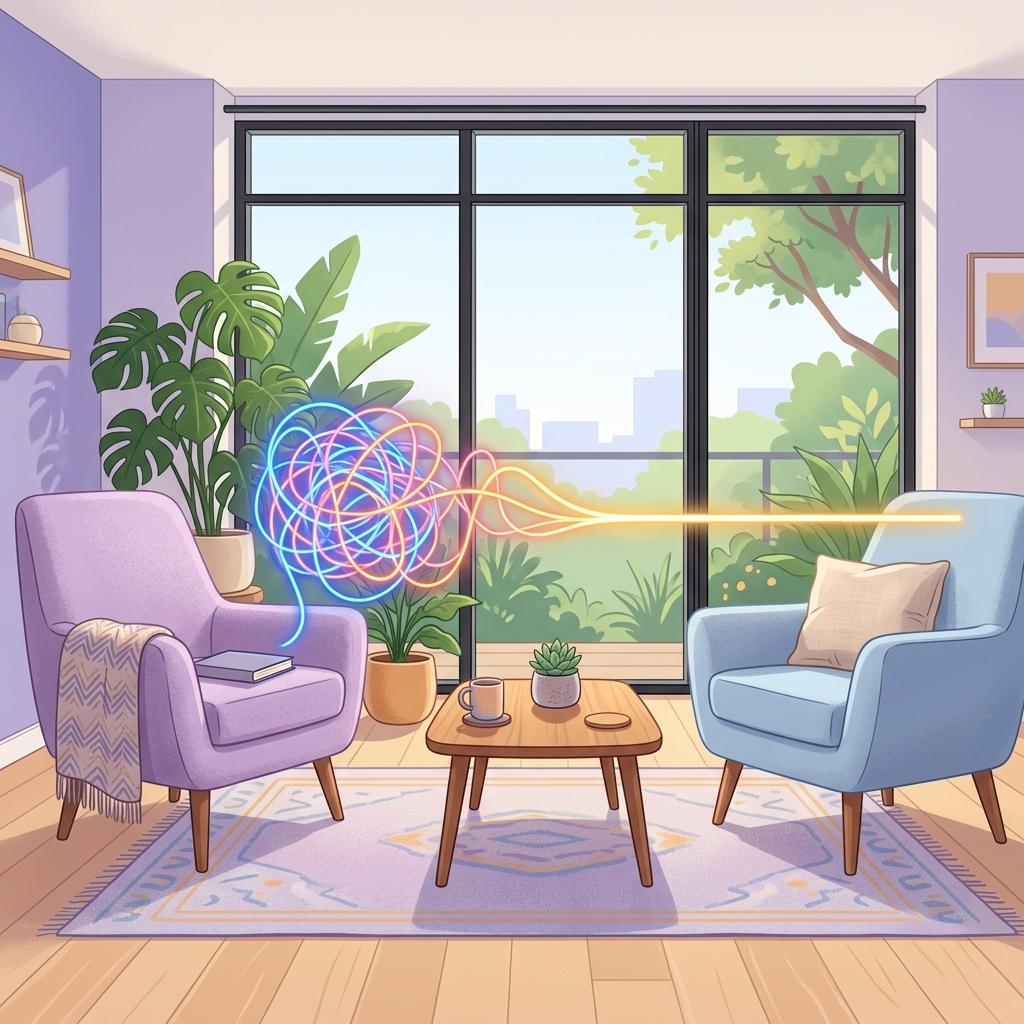

When a loved one receives a diagnosis, families naturally prepare for the cognitive changes. They buy the sticky notes, they secure the kitchen, and they brace for the memory loss. What they are rarely prepared for, however, is the “everything else.”
Beyond the medical appointments and the pill organizers lies a complex web of hidden expenses that don’t appear on a bank statement but take a massive toll on the spirit. At Dementia Support Works, we believe that naming these costs is the first step toward reclaiming your peace of mind.
The Emotional Cost: Grieving in the Present Tense
Perhaps the most confusing part of dementia care is the grief that arrives while your loved one is still sitting right in front of you. This is known as anticipatory grief.
You find yourself mourning the shared memories that can no longer be recalled and the effortless conversations that have been replaced by repetitive loops. You grieve the role that person once played—the family anchor, the advice-giver, or the partner who handled the heavy lifting. This emotional weight is exhausting because it has no “closure” point; it is a constant, shifting presence in your daily life.
The Physical Cost: When the Body Pays the Price
Caregiving is a physically demanding job that few are trained for. Many caregivers quietly develop health problems of their own that they simply “don’t have time” to address. The physical toll is cumulative:
- Sleep Disruption: Living in a state of constant vigilance, listening for a footstep or a door opening at 3:00 AM.
- Physical Strain: The literal weight of lifting, transferring, and assisting with mobility.
- Neglected Maintenance: Caregivers often postpone their own doctor appointments, ignore chronic back pain, and accept permanent fatigue as their “new normal.”
At dementiasupportworks.com, we often see that the primary caregiver becomes the “hidden patient.” Without intentional caregiver support, the physical cost can become unsustainable long before the memory loss does.
The Relational Cost: The Strain on the Circle
Dementia doesn’t just happen to an individual; it ripples through every relationship. Marriages can strain under the pressure of lopsided responsibilities. Siblings may disagree—sometimes heatedly—on the best course of action.
Even more common is the isolation. Friendships often fade not because of a lack of love, but because of a lack of time. When you can’t leave the house without a “sitter” or are too exhausted to hold a conversation, your world shrinks. Caregiving becomes a lonely island when others don’t fully understand the 24/7 reality of your day-to-day life.
The Financial Cost: More Than Just Medical Bills
The financial impact of memory care and home support can be staggering, even for families who planned carefully. The costs aren’t always obvious:
- Career Impact: Reduced work hours or early retirement to provide care.
- Home Modifications: Installing ramps, grab bars, and safety monitoring systems.
- Hidden Extras: Special diets, incontinence supplies, and private transportation.
These expenses create a background noise of stress that makes an already difficult situation feel overwhelming.
The Spiritual Cost: The Search for Meaning
Finally, there is the spiritual cost. Many caregivers find themselves wrestling with profound questions: Why is this happening? How long can I keep this up? Am I doing enough?
These questions are not signs of weak faith or a lack of love. They are human responses to a journey that tests the very limits of our patience and empathy. Feeling frustrated or questioning the “plan” is a normal part of the human experience in the face of a progressive disease.
Naming the Cost is the First Step to Support
When we pretend that dementia care is something that can be managed through sheer willpower alone, caregivers suffer in silence. Naming the full weight of these hidden costs reduces their power over you. It allows you to stop saying “I’m fine” and start saying “I need a system.”
You were never meant to carry this weight by yourself. Whether you need practical memory care strategies or just a professional “sidekick” to help you navigate the relational and emotional minefields, we are here.