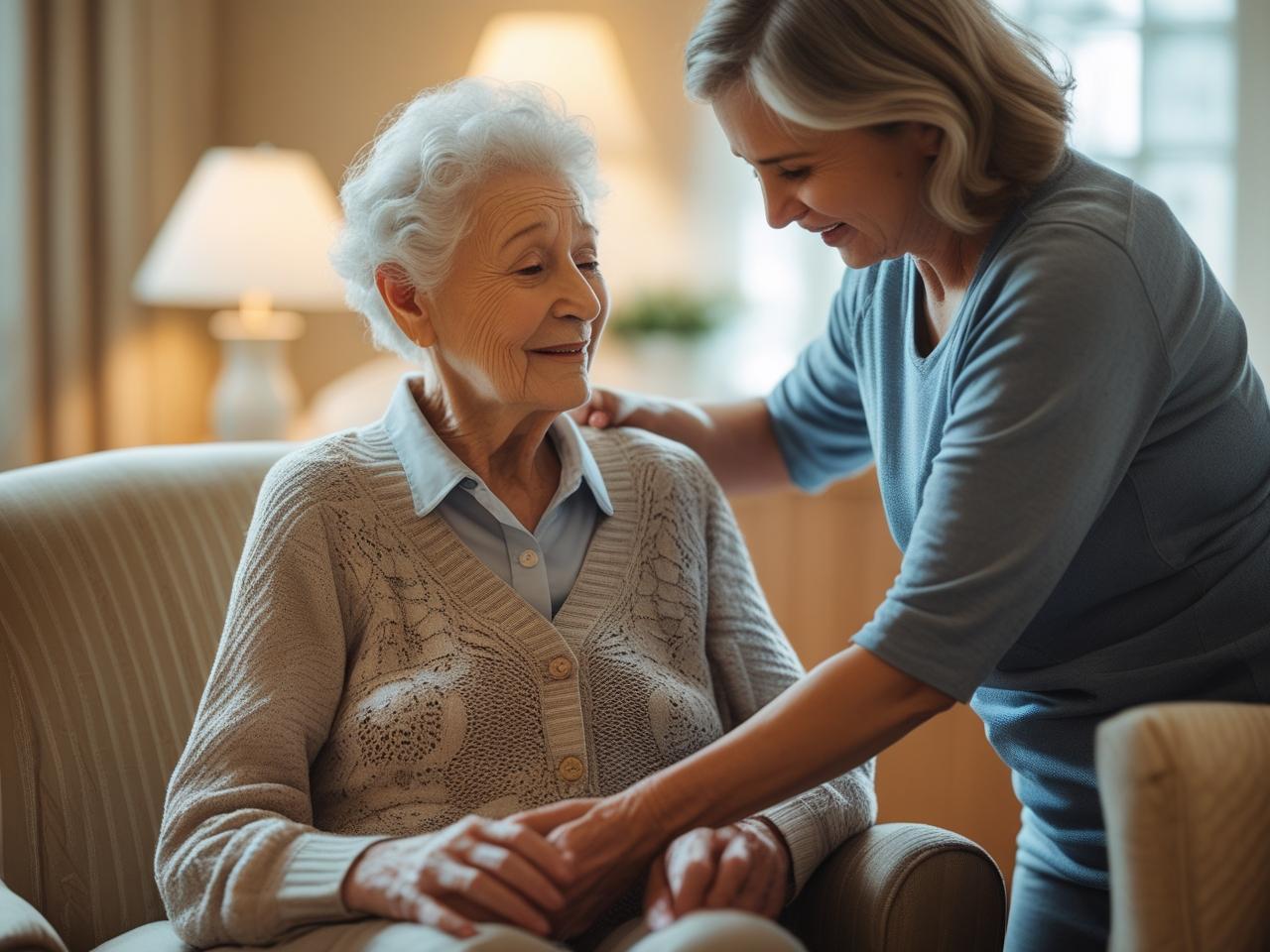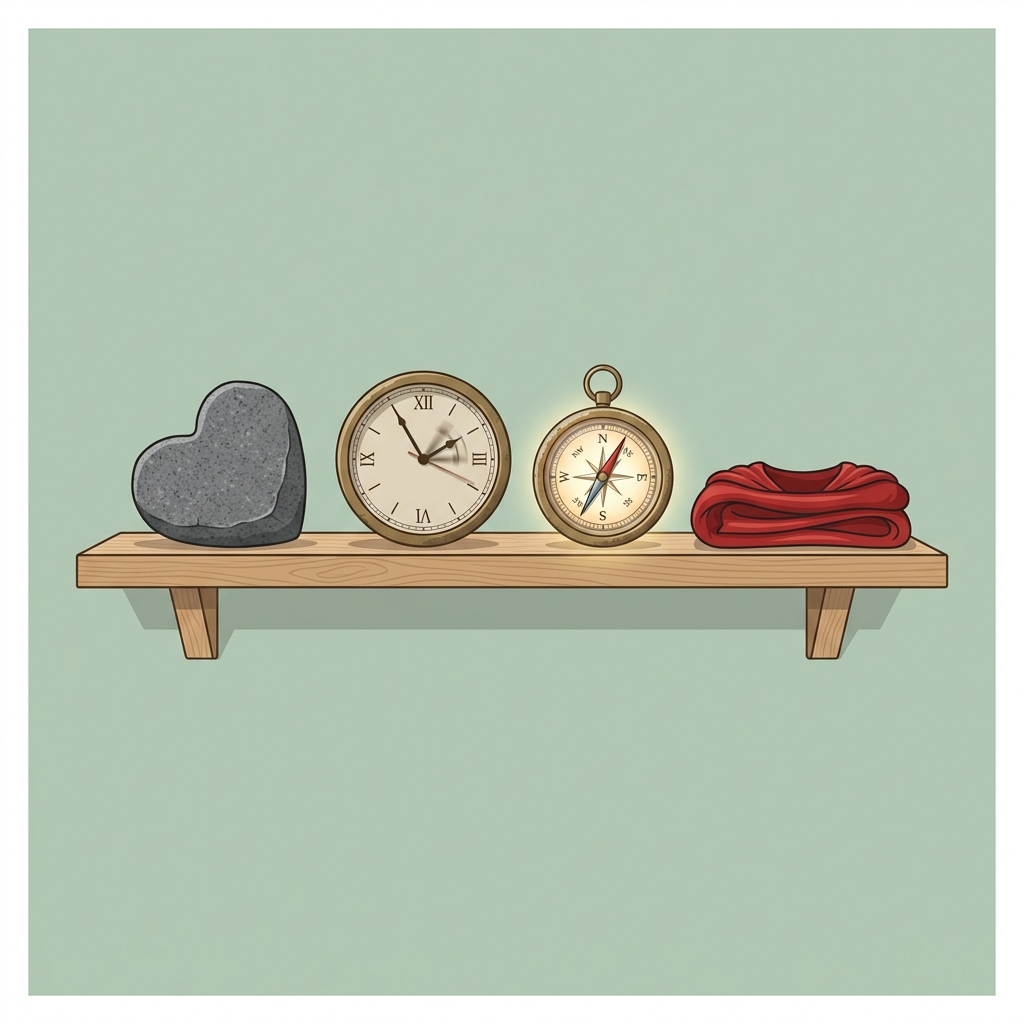

Two voices. One moment. Shared humanity.
A dementia diagnosis doesn’t affect just one person—it reshapes an entire relationship. This paired blog series shares two perspectives from the same moment in time: the person receiving the diagnosis and the care partner standing beside them. Together, they offer insight into what both are feeling, needing, and hoping for in those early days.
Part One: When I Was First Diagnosed With Dementia
From the perspective of the person diagnosed
When I first heard the words “you have dementia,” it felt like everything slowed down. I could hear people talking, but it was hard to hold onto their words. My thoughts jumped ahead to questions I wasn’t ready to ask—about my future, my independence, and how others would see me now.
What I want people to understand is this: I am still here. I still know who I am. I still care about the people I love, the routines that comfort me, and the life I’ve built. Even though my future may look different than I imagined, my life still has meaning.
Some days I feel scared. Other days I feel frustrated or sad. I may grieve losses that haven’t happened yet, and that grief can feel heavy. Please be patient with me as I try to make sense of all this.
What helps most is being included. I want to be part of conversations about my life and my care while I still can be. Talk with me, not just about me. Ask me what matters. Listen, even if I struggle to find the right words.
I may need more time now. I may repeat myself or move more slowly. Gentle reassurance helps me feel safe. Harsh correction or being rushed makes the fear louder.
Above all, I need to know I won’t be left behind as things change. This diagnosis may affect my memory, but it does not erase my need for dignity, purpose, and connection. I am still me—and I need you to see that.
Part Two: When Someone You Love Is First Diagnosed With Dementia
From the perspective of the care partner
When my loved one was diagnosed, my mind immediately raced ahead. I wanted answers, timelines, and a plan. I felt fear for them and fear for myself—wondering how our lives would change and whether I’d be strong enough for what lay ahead.
What I didn’t realize at first was how quickly my worry could turn into urgency. I wanted to protect, to manage, to prevent future problems. But the person I love was still right there—aware, capable, and needing to be heard.
I’m learning that slowing down matters. Not everything has to be decided immediately. Making space for emotions—mine and theirs—is just as important as learning about the diagnosis.
I’m learning to talk with them, not around them. To ask what they want, what scares them, and what feels important now. Including them isn’t just respectful—it builds trust and preserves dignity.
Some days I feel confident. Other days I feel overwhelmed, guilty, or unsure. I’m beginning to understand that caring for someone with dementia also means caring for myself. Support, education, and rest are not indulgences—they’re necessities.
What matters most isn’t doing everything perfectly. It’s staying connected. It’s leading with patience, compassion, and love, even when I get it wrong.
This diagnosis changes our future, but it doesn’t erase our relationship. We are still here together—learning how to move forward one step at a time.
Why These Two Perspectives Matter
When families understand both sides of this moment, something powerful happens:
- Fear softens into empathy
- Control gives way to collaboration
- Care becomes more humane and less reactive
Dementia care is not about losing someone—it’s about learning how to stay connected as things change.
For the Person Diagnosed — and the One Walking Beside Them
A dementia diagnosis affects everyone involved. Support works best when both voices are heard and respected.
Dementia Support Works offers education, support calls, and personalized guidance that honors dignity, preserves connection, and helps families move forward with clarity and confidence.
If you’re unsure about next steps, overwhelmed by decisions, or simply need a place to be heard, compassionate support is available.