When Helping Becomes Taking Over: Supporting Independence in Dementia Care
When someone you love has dementia, helping often becomes second nature. You answer a question when they hesitate. You finish a task when they struggle. You step in because you care and because watching something become difficult can be painful.
But sometimes, in our desire to help, we take over moments the person could still participate in.
Supporting independence does not mean expecting someone to manage everything alone. It means finding ways for them to remain involved, with the right amount of support.
Look for what is still possible
Dementia changes a person’s abilities, but it does not make every ability disappear at once. A task that has become too complicated may still include a step the person can do.
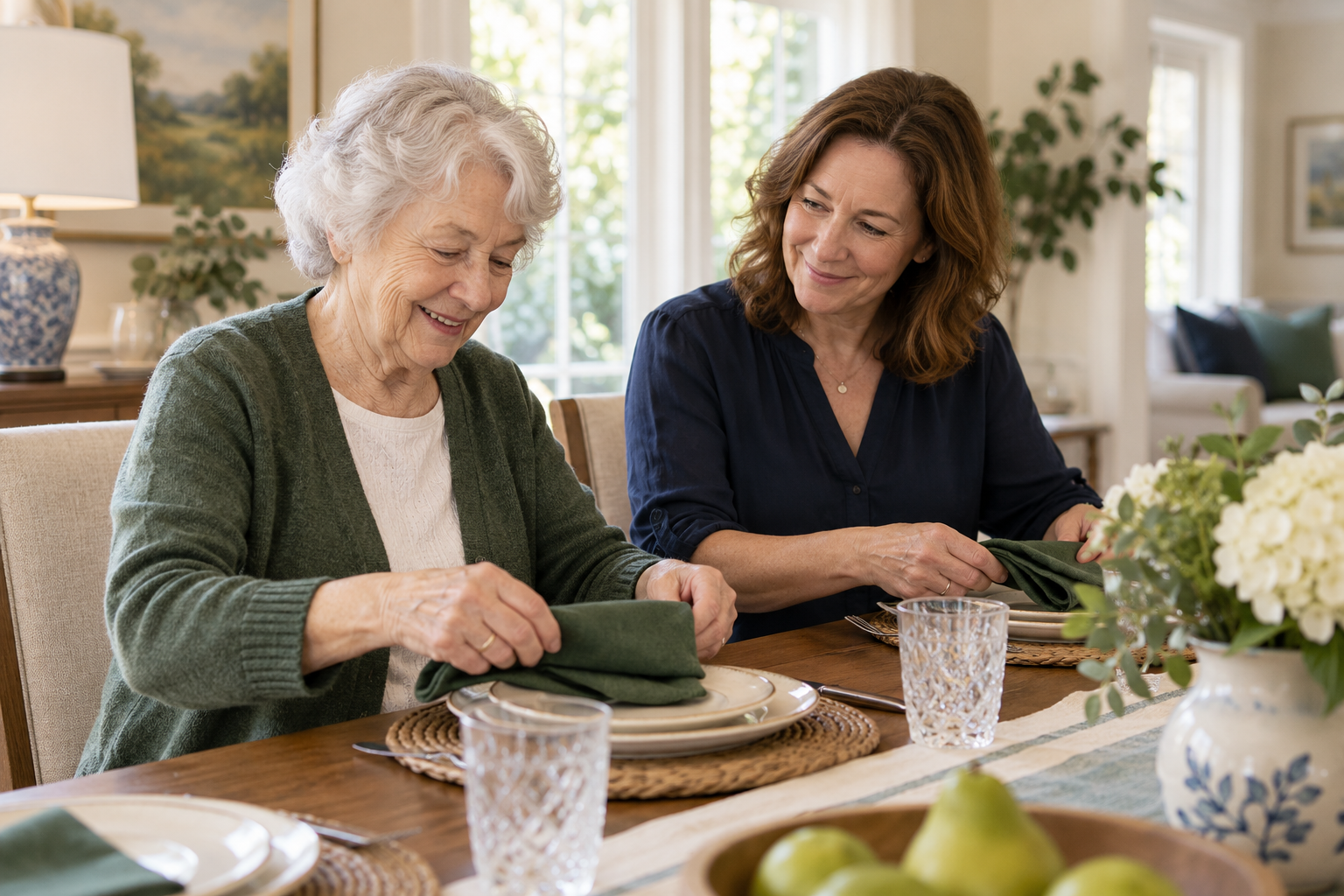
Someone who can no longer prepare a meal might still wash vegetables or place napkins on the table. A person who needs help getting dressed might still choose a shirt or put an arm through a sleeve.
The question becomes: “What part of this can we do together?”
That small shift can create opportunities for choice, connection, and a sense of purpose.
Pause before stepping in
It can be tempting to repeat an instruction, answer for someone, or reach for their hands as soon as they hesitate.
Instead, offer one simple cue and give them time to respond. Try to keep your voice calm and your words brief.
For example, instead of saying:
“Get ready for dinner. Wash your hands, come to the table, and sit in your usual chair.”
Start with:
“Let’s wash our hands.”
Once that step is complete, offer the next cue.
If words are not helping, demonstrate the action or place the needed item where it is easy to see. You might begin folding a towel beside them, then invite them to join you.
Make choices easier
Open-ended questions can become overwhelming. “What do you want to wear today?” may be harder to answer than a choice between two familiar options.
Try holding up two shirts and asking:
“Would you like the blue one or the green one?”
Choices do not have to be large to matter. Choosing a drink, a song, or where to sit gives the person a voice in their day.
If choosing becomes frustrating, simplify further. Offer one option and watch their response. Their expression, gestures, and body language may help you understand their preference.
Invite participation without making it a test
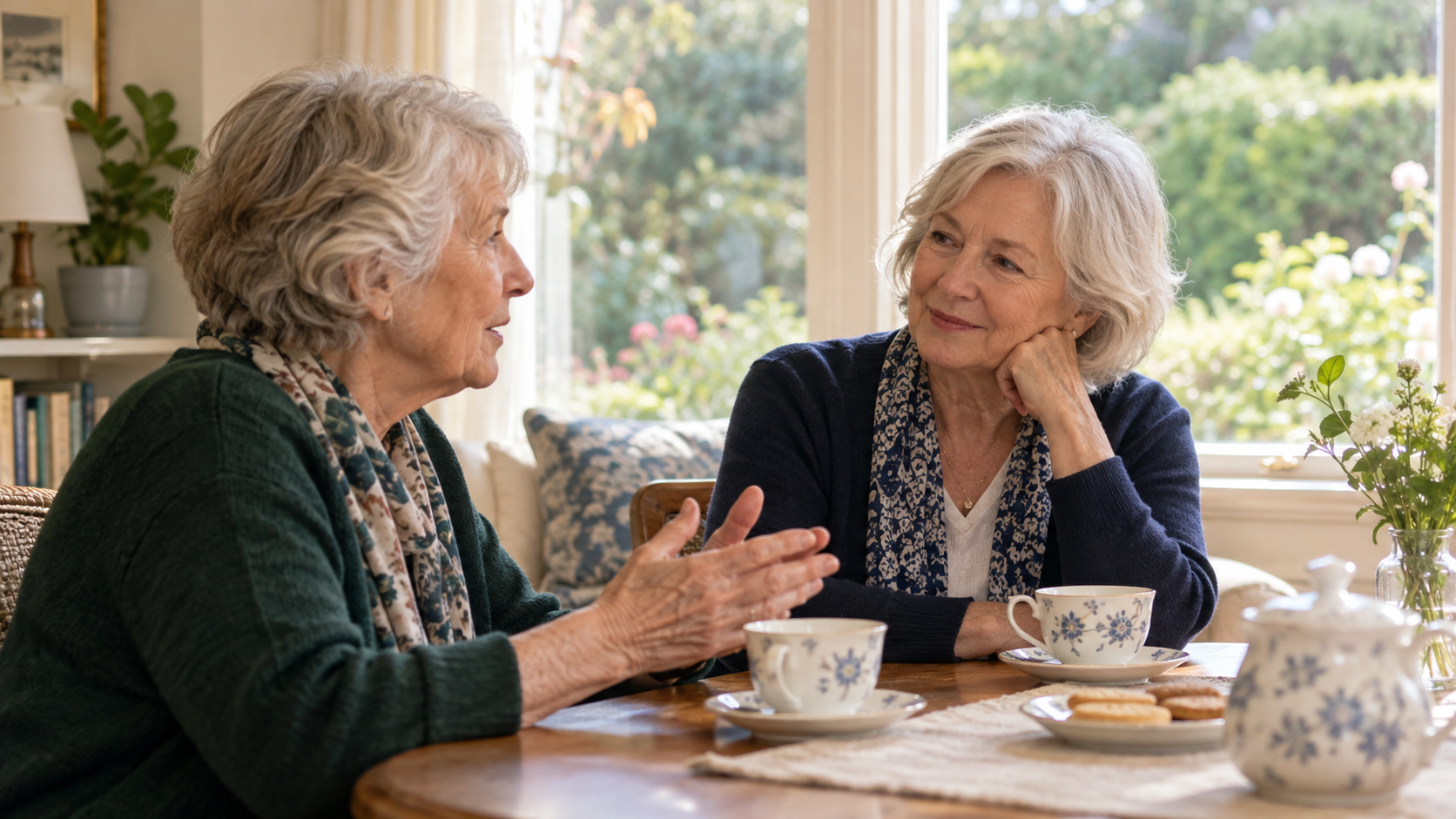
Most of us want to feel useful. That need does not disappear with a dementia diagnosis.
A natural invitation can feel more comfortable than an instruction:
- “Would you help me fold these towels?”
- “Let’s water the flowers together.”
- “Could you hold this while I get the table ready?”
- “I’d love to hear which song you like.”
Choose familiar activities that suit the person’s current abilities and interests. Avoid correcting every detail. If the towels are folded differently or the napkins are uneven, consider whether it matters.
The value may be in participating together, rather than completing the task a particular way.
Let support change with the day
Something that went smoothly yesterday may be difficult today. Fatigue, distractions, discomfort, or feeling rushed can affect how well an activity goes.
Pay attention to the person in front of you. If they become frustrated, pause, offer more help, or try again another time.
Independence should never become a demand. Safety, comfort, and dignity matter more than completing a task. For activities involving medications, driving, cooking, or other potential hazards, appropriate supervision and professional guidance may be needed.
Give yourself grace, too
If you have been stepping in quickly, that does not mean you have been doing something wrong. You may be exhausted, pressed for time, or trying to protect someone you love.
You do not need to turn every activity into an opportunity for independence.
Start with one small moment. Offer a choice. Wait a little longer. Invite the person to help with something familiar.
In my more than 40 years of working with older adults, I have learned that care often happens in these everyday moments. Making room for someone to participate is one way we communicate:
“You have something to contribute. Your preferences matter. You belong here.”
Would you like help finding practical ways to support your loved one’s changing abilities? Dementia Support Works offers guidance for families navigating daily care. Visit the Consulting page at dementiasupportworks.com to learn more or schedule a complimentary 20-minute discovery call.
Betsy Warburton, MSN
Dementia Support Works
Guidance • Compassion • Clarity